In today's competitive market, businesses seek innovative ways to capture attention. Advertising Light Boxes are an effective solution. These illuminated displays attract customers with their bright visuals and engaging designs. Companies can showcase their brand in a vibrant way, making a statement that stands out.
Using Advertising Light Boxes allows for creative flexibility. They can be used indoors or outdoors, adapting to various settings. Their illumination enhances visibility, even in low-light environments. This feature is especially useful for businesses trying to reach customers at night.
However, it's important to consider the right placement and design. A poorly designed light box can fade into the background. Regular maintenance is crucial to ensure that the display remains appealing. Businesses must continuously evaluate their marketing effectiveness. This reflection helps in maximizing the potential of Advertising Light Boxes in their strategy.
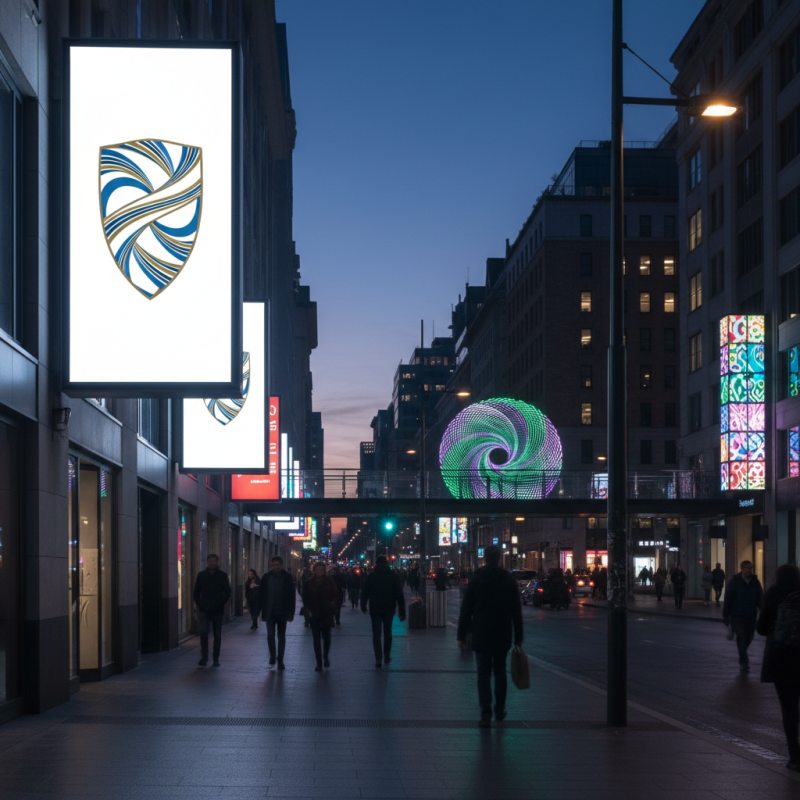
Advertising light boxes are a powerful tool in modern marketing strategies. They capture attention instantly, thanks to their bright illumination and vibrant colors. This dynamic visual appeal can draw in potential customers from a distance. Using high-quality images and concise messaging, light boxes convey your brand’s message effectively.
Moreover, light boxes enhance visibility, especially in low-light environments. Placing them strategically in high-traffic areas maximizes exposure. They are versatile too; you can switch out graphics quickly, making it easy to promote seasonal offers or new products. During a recent campaign, one business reported a noticeable increase in foot traffic after implementing this strategy.
However, not every business fully utilizes these tools. Some may struggle with placement, while others may overlook the importance of design. A well-lit light box with poor graphics will not deliver results. Continuous evaluation of your marketing approaches is crucial. Learn from previous campaigns to ensure your light boxes truly resonate with your audience.
Advertising light boxes offer significant benefits for marketers, enhancing visibility and creativity in campaigns while also being cost-effective and durable. This chart illustrates the ratings of these key benefits on a scale from 1 to 10.
When comparing advertising light boxes to traditional methods, several factors emerge. Light boxes attract attention with vibrant graphics and illumination. They stand out, especially in busy urban settings. In contrast, traditional billboards often fade into the background noise. Their static nature can make them less memorable. Light boxes, however, can be updated easily. This flexibility allows businesses to respond quickly to trends or events.
Traditional print ads may require substantial investment for limited reach. In contrast, light boxes offer a durable solution with longevity. Their energy-efficient lighting ensures cost-effectiveness over time. Traditional advertising might suffer from wear and tear. This can diminish their visual appeal and effectiveness. Additionally, light boxes can be placed strategically in high-traffic areas, maximizing exposure.
Yet, not every advertising method is without flaws. Depending on the location, light boxes can be more expensive to install. Site permits can pose challenges. Accessibility and visibility are also essential considerations. A poorly placed light box may fail to capture the intended audience. Thus, evaluating each option thoroughly is crucial for effective marketing.
Light boxes are increasingly used in advertising for their effectiveness in enhancing brand visibility. According to a study by the Outdoor Advertising Association, visual ads increase brand recall by 42%. This is partly due to the vibrant illumination of light boxes, which draws attention even in cluttered environments. The bright and alluring designs create an inviting atmosphere that engages potential customers. This can lead to higher foot traffic and improved sales outcomes.
A well-placed light box can significantly influence consumer behavior. Research shows that 76% of consumers have entered a store they previously had not planned to visit upon seeing an attractive light box. Brands gain an edge when they utilize strategic placements. Consider locations like busy sidewalks or shopping centers where foot traffic is high. Focus on the design elements; vibrant colors and clear messaging can make a huge difference.
**Tips:** Keep designs simple. Complex images may confuse potential customers. Ensure that the brand message is clear and easily readable from a distance. Regularly reviewing and updating the display can keep your advertising fresh and interesting. Finding the right balance is crucial. Too much clutter can detract from the main message, and sometimes less is indeed more in visual branding.
Advertising light boxes have become a powerful tool in modern marketing. Statistics show that they significantly enhance consumer engagement. Research indicates that illuminated displays can increase visibility by up to 50%. This means they attract more attention compared to standard signage.
In addition, studies reveal that light box advertisements can improve message retention. Approximately 70% of consumers remember the content of illuminated ads. Their bright and eye-catching design makes it easier for potential customers to recall the message. This creates a lasting impression, which is crucial in today’s crowded market.
However, light boxes are not without challenges. They require proper placement to maximize effectiveness. Poor positioning can lead to reduced visibility. Moreover, the cost of installation and maintenance can be a hurdle for some businesses. Evaluating these factors is essential to ensure a successful marketing strategy using light boxes.
Advertising light boxes have gained popularity for their striking visual impact. Many businesses have successfully integrated them into their marketing strategies. A renowned retail chain, for example, utilized light boxes in their storefronts to capture customer attention. This resulted in a noticeable increase in foot traffic. The bright, illuminated graphics drew in people from the street, increasing sales during the campaign period.
In another case, an event organizer used light boxes at a trade show. The vibrant displays highlighted key products and attracted attendees. Feedback from participants noted that the light boxes stood out among other marketing materials. This method created a memorable branding experience. However, the team later reflected on the need for better placement strategies. They realized that not all locations provided equal visibility. Adjusting the positioning could maximize the impact of future campaigns.
These examples highlight the effectiveness of light boxes in marketing campaigns. They create eye-catching displays that engage potential customers. Yet, it’s crucial to consider placement and design for optimal results. Every successful use also offers lessons learned. This continuous improvement can enhance future efforts significantly.
: They are illuminated displays used for marketing, capturing attention with bright colors and effective messaging.
They shine brightly, especially in low-light areas, making them noticeable to potential customers nearby.
Yes, graphics can be switched out quickly to promote seasonal offers or new products effectively.
A well-placed light box can entice consumers to enter stores they did not plan to visit.
Poor graphics on a well-lit box won't attract customers. Clear, simple designs improve engagement.
Regular updates keep advertising fresh. Stale designs can lead to decreased interest over time.
High-traffic areas, like busy sidewalks or shopping centers, maximize exposure to potential customers.
Yes, complex images may confuse customers. Keeping designs simple ensures the message is clear.
Too much clutter can distract from the main message. Less is often more for effective branding.
Some may overlook strategic placement or fail to focus on appealing design elements for maximum impact.
Advertising Light Boxes have become an essential component in modern marketing strategies due to their numerous benefits. They provide enhanced visibility by illuminating advertisements, making them more eye-catching than traditional marketing methods. The comparative analysis highlights that these light boxes not only capture attention more effectively but also offer a memorable experience for consumers, leading to better brand recall.
Supporting this assertion, recent industry statistics indicate a significant increase in consumer engagement with advertisements displayed in light boxes. Case studies reveal numerous successful campaigns that effectively utilized Advertising Light Boxes, showcasing their potential to transform ordinary marketing efforts into standout initiatives. Overall, integrating Advertising Light Boxes into marketing can dramatically enhance brand presence and customer interaction, proving them to be a worthwhile investment in today's advertising landscape.

Kexian