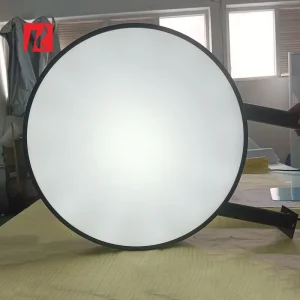
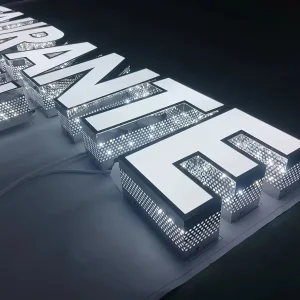
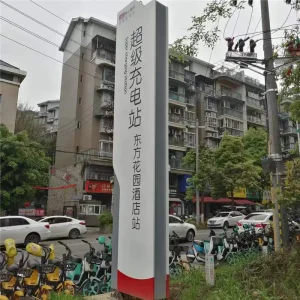
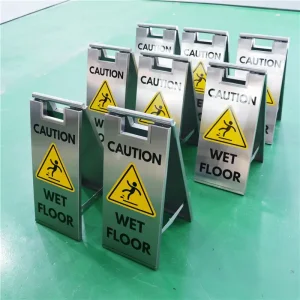
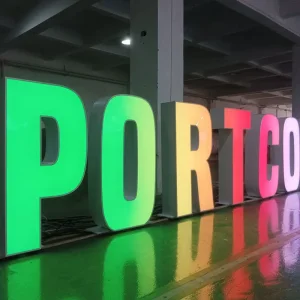
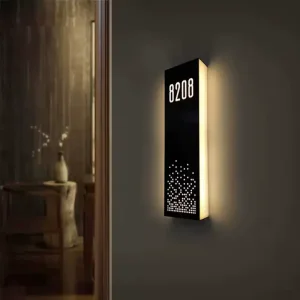
In the contemporary urban landscape, outdoor commercial building signage serves as more than just a brand identifier; it functions as a critical touchpoint for customer acquisition and a cornerstone of architectural aesthetics. As a leading manufacturer, we observe that the global signage industry is undergoing a paradigm shift driven by technological integration and the imperative for sustainability.
The modern era demands responsiveness. We are no longer simply crafting metal and acrylic; we are integrating IoT-enabled lighting control systems. This allows commercial building managers to adjust luminance based on ambient light sensors, reducing energy consumption by up to 40% while maintaining compliance with international lighting ordinances. Our focus on "Smart Signage" addresses the growing market demand for adaptive, energy-efficient solutions that communicate directly with building management systems.
Operating as a global partner requires stringent adherence to international safety and quality standards. Our manufacturing facilities are fully compliant with CE, RoHS, and UL certification processes. We prioritize the selection of raw materials, such as marine-grade stainless steel and UV-stabilized acrylics, ensuring that our products withstand harsh climatic conditions, from the humid coastal regions to the arid interior landscapes.
Navigating the complex regulatory environment of signage installation—including wind load calculations, electrical safety codes, and fire ratings—is a core competency of our engineering team. We provide comprehensive technical documentation, including 3D structural renderings and installation schematics, to facilitate seamless permitting processes in major international jurisdictions (USA, Europe, Middle East).
Our R&D department is currently scaling initiatives in Augmented Reality (AR) integration and modular letter construction. By leveraging standardized mounting systems, we significantly reduce on-site labor costs for large-scale commercial installations. The roadmap includes transitioning all production to circular materials by 2030, reinforcing our commitment to sustainable commercial manufacturing.
 Kexian